Pediatric Vision Screening: What Parents Should Know
Vision is one of the most important senses for learning, communication, and navigating the world. Yet, many vision problems go unnoticed—especially in children—because symptoms are often subtle or mistaken for other issues. Regular eye screenings are a simple but powerful way to catch problems early and make a lasting difference in a person’s quality of life.
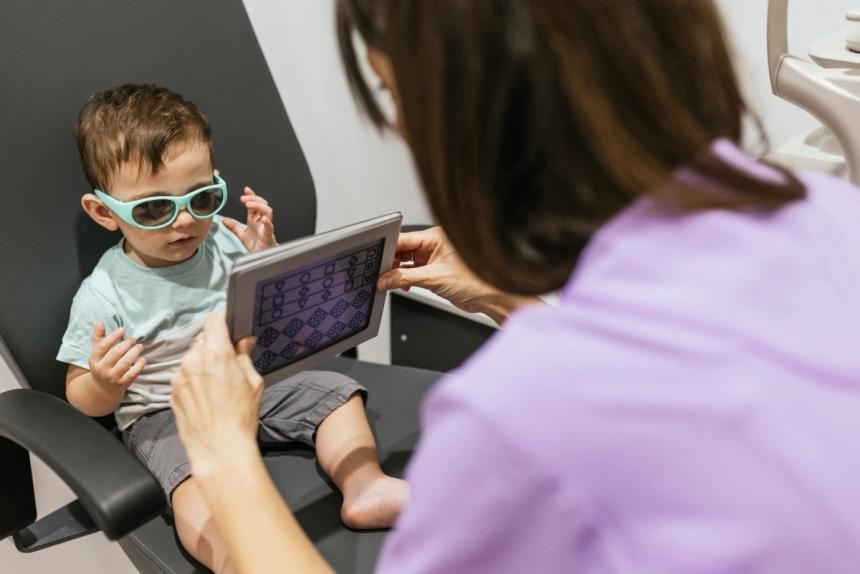
The Importance of Eye Screening in Childhood
Around 80% of what a child learns in school is presented visually. If a child has trouble seeing clearly, they may struggle with reading, fall behind academically, or exhibit behavioral issues. Unfortunately, kids don’t always realize they’re not seeing well—or they may assume that everyone sees the same way they do.
Common childhood vision issues like myopia (nearsightedness), amblyopia (lazy eye), and strabismus (crossed eyes) are highly treatable if detected early. Left unaddressed, however, they can lead to lifelong vision impairments. That’s why regular screenings—ideally starting before kindergarten and continuing through school years—are vital.
Who Should Get Screened—and When?
Eye screenings should begin in infancy, with pediatricians performing basic checks during well-baby visits. As children grow, schools and clinics should perform more structured screenings at key developmental milestones:
- At ages 3 and 4: To detect early vision issues before school starts.
- At school entry: Ensures children are ready to learn visually.
- Every 1–2 years during school: To catch changes as the eyes develop.
Adults should also receive regular vision checks—every 2 years in most cases, or annually if they wear glasses or have a medical condition like diabetes. Early screening can identify issues like glaucoma, cataracts, or age-related macular degeneration.
How Technology Can Help
Traditional eye screenings can be resource-intensive, requiring trained staff, equipment, and time. That’s where digital tools and mobile-friendly apps can make a big difference. Platforms like ours make it easy for schools, clinics, and community programs to conduct vision screenings efficiently and accurately—even without specialized training.
By simplifying the process, more children can be screened, and referrals to eye care professionals can be made promptly when needed. In underserved communities, this can be a game-changer.
The Long-Term Benefits
Catching vision issues early can improve a child’s performance in school, boost confidence, and reduce unnecessary behavioral or attention-related concerns. For adults, it can protect independence, reduce fall risks, and support mental health.
Eye screening isn’t just a medical protocol—it’s a proactive investment in lifelong well-being.
Start Screening Today
Whether you're a parent, teacher, health professional, or community organizer, you can play a role in making sure eye screening is accessible and routine. Our platform is designed to make it easier than ever to screen more people in less time—with accurate, actionable results.
Join us in making clear vision a priority—for children and beyond.
This article is for general information and isn’t a substitute for advice from an eye care professional.